
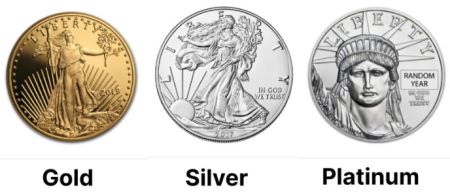
Gold - Silver - Platinum
Precious metals, including gold, silver, platinum, and palladium, have been valued for centuries due to their rarity, durability, and intrinsic worth.
Precious metals play an essential role in global economies, personal finance strategies, and industrial applications. In this article we outline the primary reasons why individuals, businesses, and governments turn to precious metals for stability, growth, and security.
Historical Significance
Precious metals have long been used as money, symbols of wealth, and stores of value. Gold and silver coins served as global currency for centuries, and their legacy continues to influence how societies perceive financial security. Their historical role underpins the trust and recognition they still hold in modern markets.
Store of Value
One of the most important reasons for holding precious metals is their ability to preserve value over time. Unlike paper currency, which can be devalued by inflation or poor fiscal management, precious metals maintain purchasing power across generations. This makes them a reliable safeguard during times of financial uncertainty.
Inflation Hedge
Precious metals are widely considered an effective hedge against inflation. When the cost of goods and services rises, currencies tend to lose value, but metals like gold and silver often appreciate. Investors use them to balance portfolios and protect wealth against the eroding effects of inflation.
Diversification Benefits
Adding precious metals to a portfolio helps reduce overall risk. Their performance often differs from stocks, bonds, and real estate, providing a counterbalance during periods of market volatility. Diversification with metals can stabilize long-term investment strategies and protect against systemic risks.
Industrial Applications
Beyond investment, precious metals have critical industrial uses. Silver is essential in electronics and solar energy, platinum and palladium are vital in automotive catalytic converters, and gold is used in advanced technology and medical devices. These applications drive consistent demand, supporting their value in global markets.
Liquidity and Global Acceptance
Precious metals are among the most liquid assets worldwide. They can be quickly bought or sold through dealers, exchanges, and financial institutions. Their universal recognition ensures they hold value across borders, making them a reliable asset for international trade and personal security.
Crisis Protection
During geopolitical instability, financial crises, or market crashes, precious metals often serve as safe-haven assets. Investors and governments alike turn to them when confidence in other assets declines, reinforcing their reputation as a protective shield during turbulent times.
Conclusion
Precious metals remain indispensable in both financial and industrial contexts. Their historical importance, role as a store of value, ability to hedge against inflation, and industrial demand ensure their continued relevance. Whether for personal investment, portfolio diversification, or industrial necessity, precious metals provide stability and opportunity in an ever-changing global economy.
Powered by: Joxall Marketing Group - www.jxlmkt.com
 Home Page